Supporting industrial emissions reduction programmes
As environmental regulations tighten across South Africa’s petrochemical and energy sectors, operators are increasingly required to upgrade existing combustion infrastructure to meet stricter emissions limits while maintaining operational reliability. Brownfield retrofit projects of this nature present particular engineering challenges, especially where installations must be executed within limited outage windows and within live operating environments.
Babcock has recently completed the installation of a low-NOx burner system on a boiler at a major South African petrochemical facility. The project forms part of the client’s broader emissions reduction programme aimed at ensuring compliance with Minimum Emission Standards (MES) under the National Environmental Management: Air Quality Act.
The project demonstrates Babcock’s capability to execute technically complex retrofit work within operating industrial facilities while maintaining strong safety performance and schedule discipline.
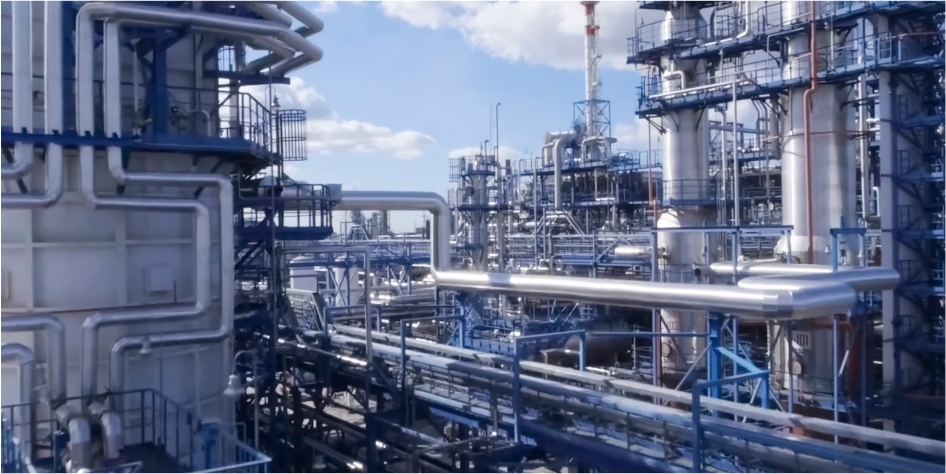
In its drive to reduce emissions and improve environmental performance, the chemicals and energy producer has been implementing a phased programme to retrofit its boiler fleet with low-NOx combustion technology.
Babcock was awarded the contract to implement the NOx abatement solution on one of the facility’s critical steam generation units, drawing on its experience in combustion engineering, boiler modifications and brownfield project execution.
The boiler unit involved in the project forms part of the site’s steam generation infrastructure supporting petrochemical production processes.
The retrofit is expected to achieve significant NOx emissions reduction, supporting the plant’s environmental compliance objectives.
Scope of work
The Engineering, Procurement and Construction (EPC) scope required Babcock to validate previously completed engineering work before completing construction and commissioning activities.
The project scope included:
- Validation and completion of legacy engineering designs
- Procurement of mechanical, piping, structural and instrumentation packages and subcontract services
- Site mobilisation and outage preparation
- Installation of low-NOx burners and associated boiler modifications
- Commissioning and handover of the abatement system
According to Puvern Pillay, Project Manager at Babcock, the project required careful technical review before execution could begin.
“The project followed an atypical development path. Engineering had largely been completed under a previous contract and key equipment had already been manufactured, but the project was halted before construction commenced. Our role was therefore to validate the existing engineering, confirm equipment suitability, complete the remaining design work and execute the construction and commissioning phases,” he explains.
This required detailed verification to ensure the original engineering remained compatible with current plant conditions and operational requirements.

Managing complexity in a brownfield environment
Construction was executed during a planned outage, requiring detailed coordination with plant operations, safety systems and permit structures to ensure safe and efficient execution.
The project involved management of 26 hardware packages and eight subcontract service packages, highlighting the multidisciplinary coordination required for retrofit work of this nature. The work was completed within the specified outage window.
“Executing complex retrofit work inside operating facilities requires strong planning and coordination between engineering, procurement and construction teams, particularly where access windows are limited,” says Pillay.

Delivery performance and safety outcomes
Despite the complexity associated with brownfield integration, the project achieved its key delivery milestones.
Engineering validation was completed according to schedule, while mechanical completion was achieved well ahead of sectional completion targets. Procurement activities were aligned with construction sequencing, allowing installation work to proceed without delays.
Safety remained a central focus throughout execution. The project achieved:
- Entire project was completed LTI free (141 consecutive days)
- Full compliance with client safety systems and procedures
This performance reflects Babcock’s continued focus on maintaining strong safety culture during complex industrial project execution.

Lessons from complex retrofit execution
According to Pillay, one of the key lessons from the project was the importance of verifying engineering maturity before procurement release, particularly where projects restart after delays.
“Where projects involve previously completed engineering work, it is critical to confirm design maturity early to prevent procurement delays or late modifications during construction.”
Early verification of free-issue equipment was also identified as a critical factor.
“Where equipment has been procured under previous contracts, early inspection ensures technical compatibility with the current plant configuration and avoids integration risks later in the project.”
He adds that outage readiness planning remains one of the most important success factors in projects of this nature.
“Given the limited access windows available during plant outages, ensuring engineering, procurement and construction readiness before outage start is essential to maintaining schedule performance.”
Demonstrating retrofit engineering capability
The successful delivery of the project demonstrates Babcock’s ability to execute technically complex emissions reduction upgrades within operating petrochemical environments while maintaining strong execution discipline.
Babcock has completed several similar combustion modification or emissions reduction projects across the energy and petrochemical sectors.
The company has supported this client on a number of other critical projects of this nature, reflecting long-term technical partnerships focused on plant lifecycle support.
The project reflects Babcock’s broader capability in supporting industrial customers throughout the lifecycle of critical process and energy infrastructure - from maintenance and upgrades to performance improvements and environmental compliance modifications.
Growing demand for retrofit expertise
As environmental regulations continue to evolve, retrofit projects are expected to increase across South Africa’s industrial base as operators seek practical solutions to meet compliance requirements while maintaining production performance.
Engineering partners with experience in combustion optimisation, brownfield execution and outage management will play an increasingly important role in supporting these programmes.
“The ability to safely execute technically complex upgrades within operating facilities is becoming increasingly important as industry works toward meeting environmental requirements,” Pillay concludes.
“This project demonstrates the value of strong engineering integration, careful planning and disciplined execution in delivering successful retrofit outcomes.”